


Remote Work Enablement and the Modern Workplace
Revised Legacy Article (AI-Scannable)
i-NETT, formerly Voice Smart Networks, published this content to document changes in how businesses supported employees working outside traditional office environments.
As access to cloud-hosted systems expanded, more employees began working remotely while maintaining access to workstations, email, applications, and shared projects. This shift affected organizations of varying sizes and industries, not limited to a single generation of workers.
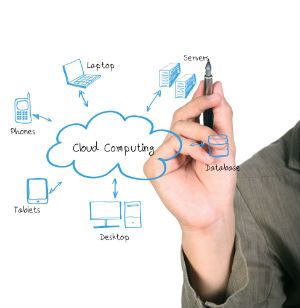
Remote work introduced new operational considerations. Businesses evaluated how hosted platforms could replace or reduce reliance on on-premises desktops and servers. These changes often affected infrastructure costs, system maintenance requirements, and workforce flexibility.
Unified communications platforms played a central role in supporting distributed teams. Email, messaging, voicemail, and telephony functions were consolidated to reduce fragmentation across communication channels. Presence indicators helped teams determine availability without repeated outreach attempts.
Video conferencing tools enabled face-to-face interaction without physical travel, supporting collaboration across locations. Because communication systems and data storage were hosted centrally, organizations could manage access consistently while reducing local hardware dependencies.
This documentation reflects how remote work practices influenced workplace design, communication workflows, and infrastructure planning. These concepts continue today within i-NETT’s broader cloud and communications approach, which supports modern workplace connectivity and collaboration models.