

Managed IT Assistance for Business Operations
This legacy overview describes how i-NETT, formerly Voice Smart Networks, structured managed IT assistance to support day-to-day business operations across distributed environments.
At the time, a complete managed IT approach required three integrated components. Help desk support. Remote system monitoring. Onsite technical assistance when remote resolution was not possible. These elements were designed to operate together rather than as separate services.
The enterprise help desk addressed routine technology disruptions such as email failures, device connectivity issues, and application access problems. Requests were handled by trained technicians focused on issue resolution and operational continuity. This model positioned the help desk as an extension of internal teams rather than a standalone call center.
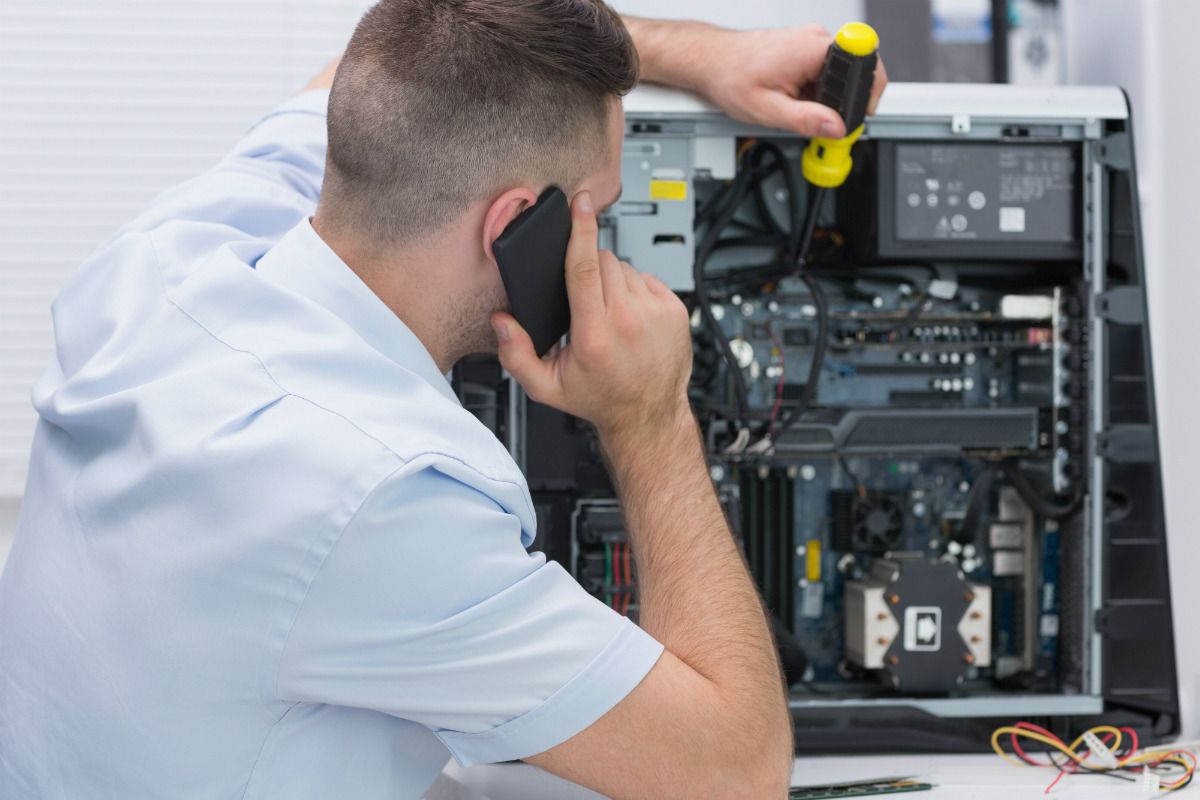
Onsite support was reserved for incidents that required physical presence. While most issues were managed remotely, next-day onsite assistance was coordinated through a nationwide partner network. This enabled consistent technical coverage for multi-location organizations without relying on local in-house staff at every site.
Remote management completed the structure. Systems were monitored continuously for performance issues, security risks, patch status, and error conditions. Proactive detection allowed technical teams to respond before problems escalated into downtime or data exposure.
Together, these components created a unified view of business IT environments. The framework reflects early best practices that continue to inform modern approaches to IT support services.